5489
Published on February 7, 2026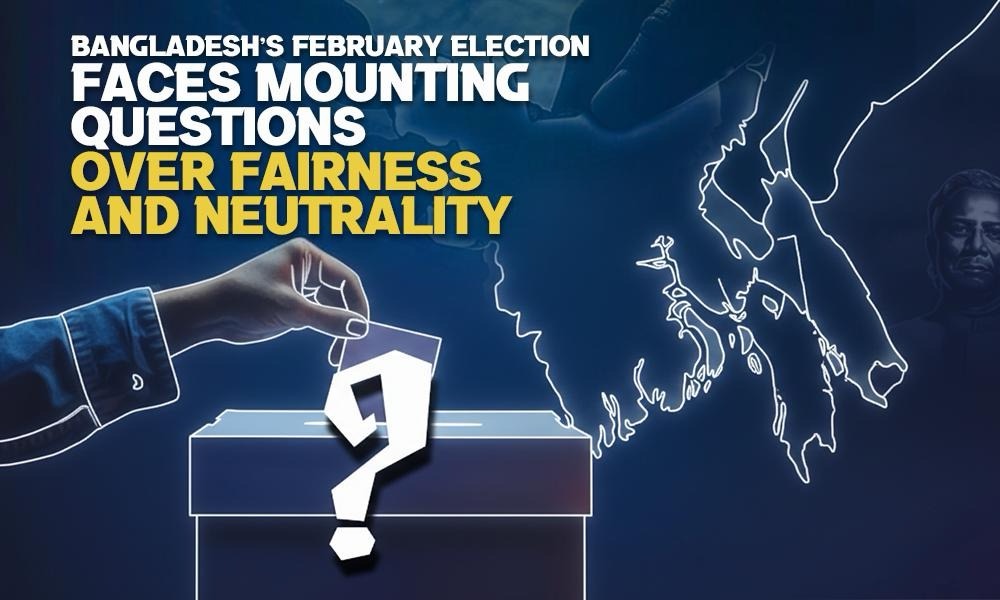
After 18 months of reform promises, questions mount over transparency, administrative impartiality, and whether the February 12 vote will truly reflect the people’s will.
As Bangladesh approaches its national election on February 12, 2026, the air is thick with anticipation and unease. This vote marks the first since the dramatic ouster of Sheikh Hasina's government in August 2024, following widespread student-led protests that reshaped the nation's political landscape. The interim administration, led by Nobel laureate Muhammad Yunus, stepped in with promises of reforms to restore democratic institutions. Yet, after 18 months of governance focused on these changes, the announcement of the election date has sparked debates about whether the process truly upholds principles of credibility, transparency, neutrality, and legality.
‘Frightening situation’: Bangladesh elections haunted by political violence
From the outset, the Yunus-led government faced criticism for extending its tenure under the banner of necessary reforms, delaying a clear timeline for polls. Observers noted that this period allowed for significant adjustments to electoral laws and administrative structures, but it also raised questions about intentions. When the date was finally set, arrangements appeared to tilt toward certain outcomes, with allegations surfacing that they could benefit groups like Jamaat-e-Islami. Public concerns, voiced by political leaders, analysts, and citizens, center on whether these elections will genuinely reflect the will of the people or become another chapter in Bangladesh's history of contested polls.
At stake is more than just seats in the National Parliament; it's the legitimacy of a democracy emerging from turmoil. With over 127 million eligible voters, including a significant youth demographic energized by the 2024 uprising, the process must address deep-seated fears of manipulation. Drawing from reports by local media and international observers, this article explores the key issues fueling these doubts, grounded in facts and expert insights.
One of the most debated innovations in this election is the expanded postal voting system, introduced for expatriates and in-country voters. This marks the first time such a mechanism has been used on this scale, with over 1.5 million registrations approved, including around 772,000 from abroad. While aimed at boosting participation, the rollout has drawn sharp criticism for potential vulnerabilities.
BNP flags bulk deliveries of postal ballots
Opposition parties, including the Bangladesh Nationalist Party (BNP), have flagged irregularities in ballot distribution. Reports indicate batches of 200-300 ballots delivered to single addresses, defying rules for individual delivery. In places like Bahrain, social media videos showed envelopes being sorted in bulk, raising fears that ballots aren't reaching intended voters but instead being funneled through party-linked networks. Constituency variations are stark: Feni-3 tops the list with 16,038 postal voters, while Bagerhat-3 has just 1,544, patterns tied to migration but sparking suspicions of strategic inflation.
Analysts warn that even minor lapses, amplified by volume, could sway results. "The core question is trust," notes an opinion piece in Prothom Alo, highlighting manual processes' risks to secrecy and verification, including spoofing in digital checks and confusing ballot designs that might lead to invalid votes.
Polls and the postal ballot: The core question is trust
The Election Commission (EC) insists the system is secure, with penalties for violations, but parties argue unresolved flaws erode confidence. For voters like expatriate workers in the Middle East, who share addresses, these concerns hit close to home, potentially disenfranchising those already far from the polls.
Adding to transparency worries are claims of abnormal voter shifts. The BNP has accused the EC of withholding detailed migration data, pointing to unusual movements in Dhaka and other urban areas. Leaders report addresses with 20-30 registered voters, housing only a handful of residents, or even nonexistent holdings. Despite formal requests, the EC's reply, that shifts per constituency don't exceed 2,000-3,000, has been deemed insufficient, with BNP officials questioning the accuracy of the underlying data.
BNP alleges 'unusual' voter migration in Dhaka, demands EC data
This silence fuels broader suspicions of engineered demographics. In a nation where voter lists grew by millions since the last update, with female registrations up 4.16% compared to 2.29% for males, such anomalies could tip close races. Experts like those from the International Republican Institute emphasize that without full disclosure, trust in the voter registry crumbles, a foundational element of fair elections.
The role of District Commissioners (DCs) and Upazila Nirbahi Officers (UNOs) as returning officers places administrative impartiality at the heart of the debate. Recent transfers and promotions of these officials, close to election time, have sparked allegations of strategic reshaping to ensure compliance rather than neutrality. BNP leaders question the government's motives, arguing that postings favor those with past political leanings, undermining field-level fairness.
Reshuffle in police, admin: BNP questions the govt’s intention
Public administration experts, such as Abdul Awal Mazumder, warn that prioritizing loyalty over merit threatens governance. Jamaat-e-Islami has also demanded transfers of DCs and superintendents of police, alleging partisan roles in nomination scrutiny. Framed as a systemic risk, these moves highlight how administrative tweaks can distort the playing field, especially in a context where officials operate under EC oversight but face government influence.
Pre-election violence has intensified, creating an atmosphere where free participation feels precarious. Since the schedule's announcement, at least 15 political activists have been killed, with clashes between BNP and Jamaat supporters claiming lives in districts like Sherpur and Cumilla. Reports describe a culture of suppression, with minority communities, particularly Hindus and Christians, facing spikes in attacks, arson, and threats.
Why Bangladeshi minorities are scared ahead of elections
Human rights groups like Ain o Salish Kendra document 102 politically linked deaths, underscoring how fear discourages dissent and voter turnout. Minority leaders express existential concerns, citing impunity as a driver. The interim government's efforts to deploy armed forces for security are welcome, but critics argue that deeper issues, like misinformation and deepfakes, amplify tensions. For ordinary voters, this climate distorts choices, turning elections into endurance tests.
Recent changes to the Representation of the People Order (RPO), gazetted in November 2025, restore EC powers to halt polling in constituencies plagued by misconduct. Other tweaks bar fugitives from contesting, require income disclosures, and mandate party symbols for alliance candidates, provisions retained despite BNP objections.
The timing, just months before polls, matters. Experts question whether these enhance accountability or enable selective enforcement, potentially eroding trust. Altered dispute mechanisms could limit recourse, affecting fairness in a polarized environment.
With 51 parties and 1,981 candidates, the landscape features the BNP-led alliance and Jamaat's 11-party bloc, including the student-led National Citizen Party (NCP). Critics argue this setup offers the appearance of choice without substance, labeling it "managed competition." The Awami League's ban, following its 2025 suspension amid protests and trials, disenfranchises millions, per Hasina's statements from exile.
Divisions fueling violence as Bangladesh nears crucial elections
Internal rifts, like BNP's rebel candidates and Jamaat's alliance strains, add to perceptions of theater. Leaders from parties like Islami Andolan Bangladesh cite unequal seat-sharing as evidence of dominance. This raises a fundamental question: Does the election provide meaningful democratic options?
Running alongside the election, the referendum on the July National Charter,84 reform proposals, has drawn fire for alleged state bias. The EC ordered officials to avoid 'Yes' campaigning, deeming it a punishable offense. Yet, reports show advisers touring districts, promoting 'Yes' in public spaces, violating caretaker neutrality.
Yes vote, state neutrality, and fair process
Constitutional experts like Shahdeen Malik call this unethical, lacking precedent. The single 'Yes/No' question on complex issues risks confusion, questioning the process's ethics and legality.
Trust has taken another hit from reports of fake ballot seals being made. In Lakshmipur, police raided a printing shop and seized six fake seals. The shop owner said he made them on orders from a local Jamaat-e-Islami leader, who was later expelled from the party. A case has been filed, but the discovery has left people concerned.
Fake ballot seals: Lakshmipur Jamaat leader expelled after police file case
BNP leader Tarique Rahman has warned repeatedly about possible conspiracies, fake ballots, counterfeit seals, and even schemes to collect voter data (like NID numbers and bKash details) to manipulate votes. Some reports also mention plans to produce large numbers of burqas supposedly for fake voting.
On top of that, disinformation is spreading fast; fake photos, deepfake videos, and false audio clips have already appeared in large numbers this year. All of this makes many voters nervous: even small tricks could change the result in a close race.
The Election Commission, led by Chief Commissioner A.M.M. Nasir Uddin, insists it is acting fairly. They have invited thousands of local observers and hundreds of international ones, including teams from the EU, Commonwealth, Japan, and the United States, to monitor the process and help ensure transparency.
Tarique warns against vote manipulation, urges vigilance
Still, almost every major party has raised complaints. BNP’s Tarique Rahman keeps urging supporters to stay alert against any tricks or fake ballots. Jamaat’s Shafiqur Rahman says the playing field isn’t level, especially after recent clashes. Leaders from the new National Citizen Party (NCP) have spoken out about attacks on women campaigners and demanded fair investigations.
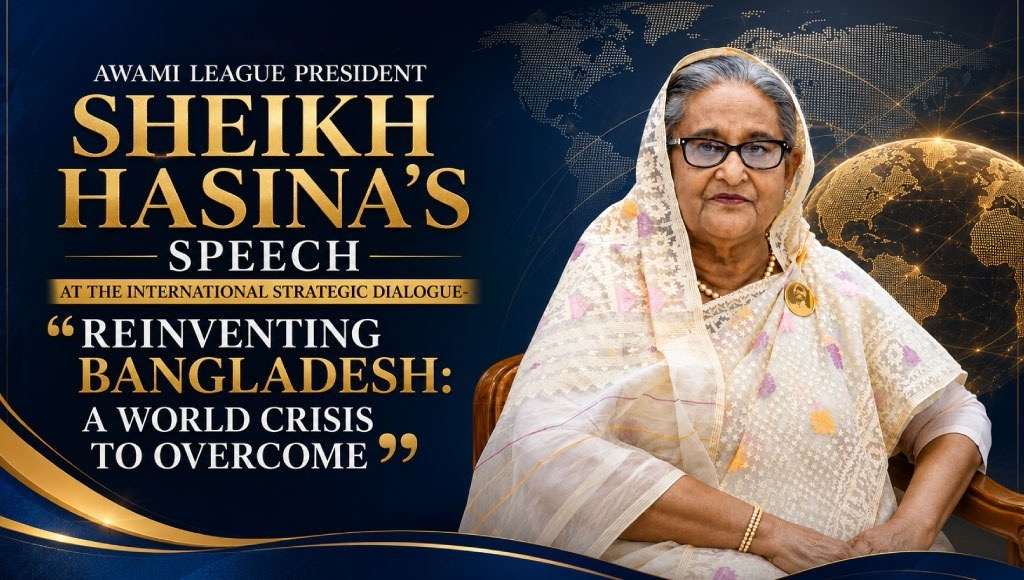
Even Sheikh Hasina, speaking from abroad, has called the election unfair because her party, the Awami League, has been banned and millions of its supporters feel left out.
Crisis Group says vote dispute may pose as interim government’s biggest challenge
Experts from groups like the International Republican Institute and Crisis Group say the EC is under huge pressure and needs to do more to prove it can handle these challenges fairly. Army Chief Waker-Uz-Zaman has also instructed troops to remain neutral and helpful to citizens during election duty.
All these issues, from neutrality concerns and fake ballot fears to party complaints and rising violence, show how fragile trust is right now. The election on February 12 is a big moment for Bangladesh after the changes of 2024. A clean, fair process could help heal divisions and build confidence in democracy. But if doubts grow stronger, or if violence continues, the country risks more instability and disappointment.
Bangladesh’s 2026 Election Is a Litmus Test for Global Democratic Revival
International observers are watching closely, hoping the vote will reflect the real wishes of the Bangladeshi people, especially the young generation who led the 2024 uprising. For millions of ordinary voters, this isn’t just about who wins; it’s about whether their voice will truly count and whether the country can move forward together.


This work is copyrighted and authorized by the Bangladesh Awami League. You may download, display, print and re-produce this material in unaltered form only (retaining this notice)for your personal, non-commercial use or use within your organization.
