9943
Published on February 24, 2026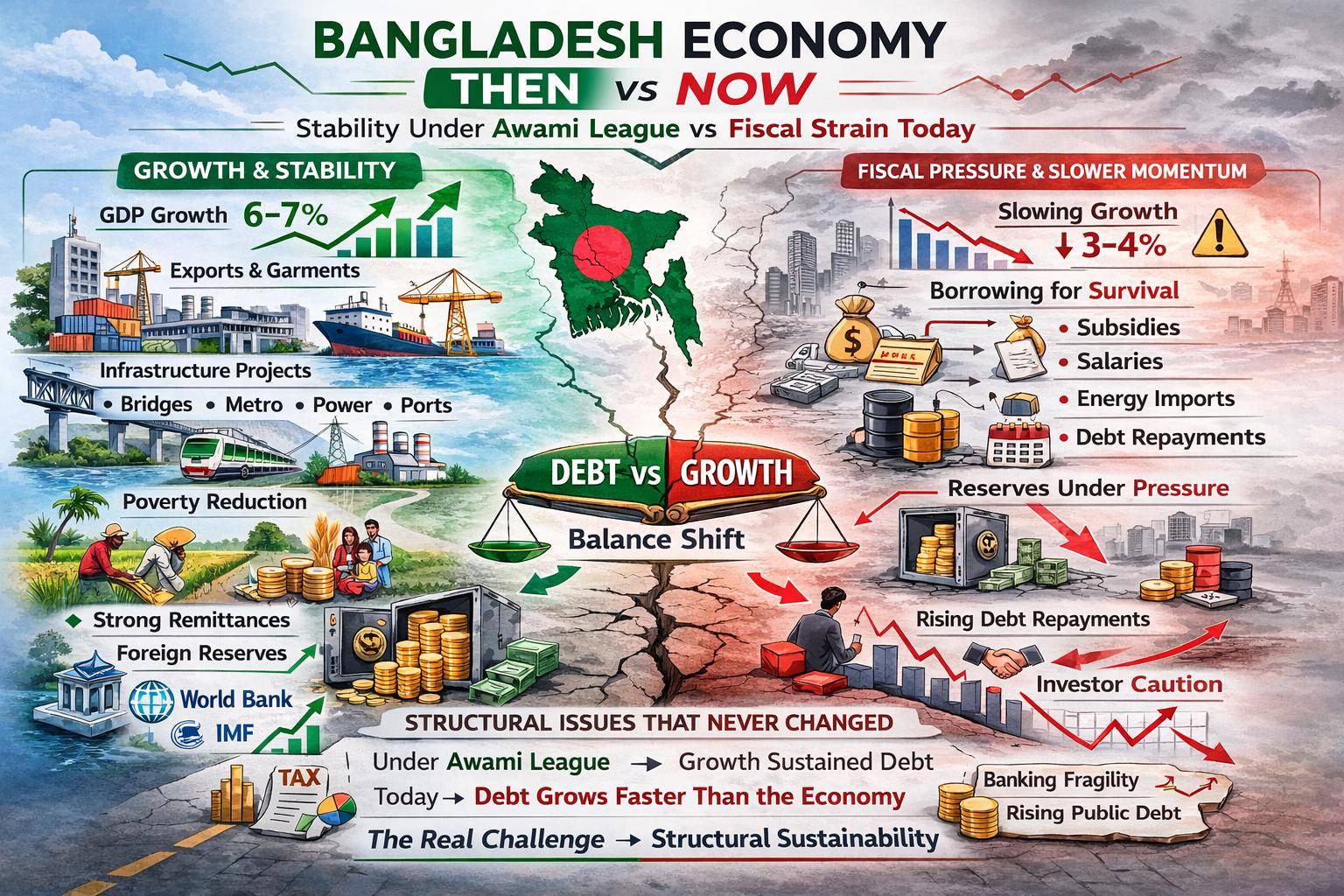
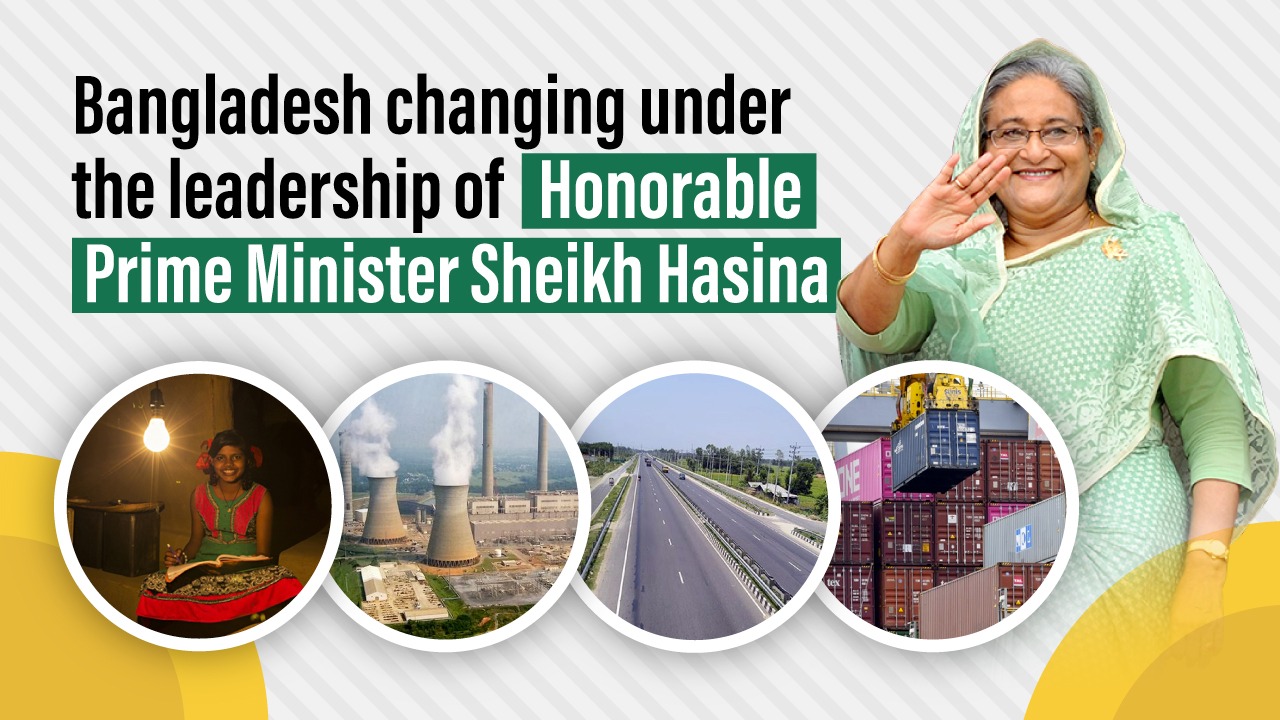
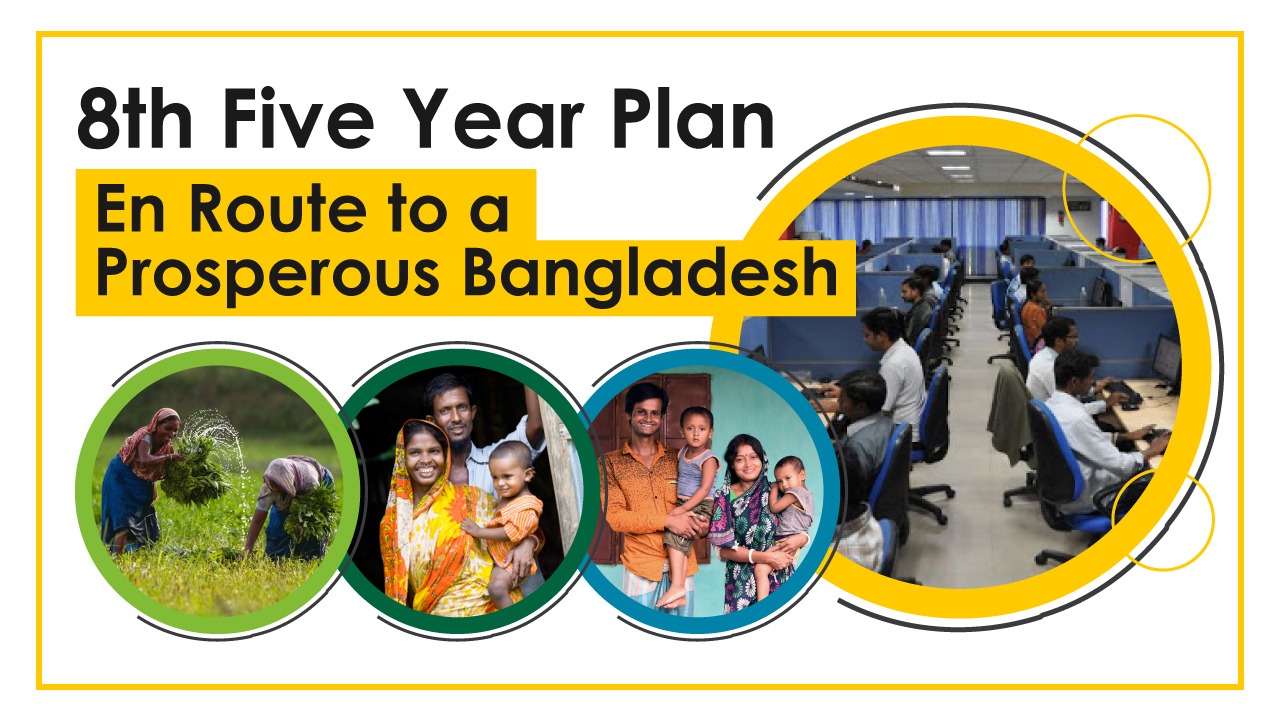
Under the Awami League, Bangladesh experienced strong GDP growth of 6–7%, rising exports, expanding infrastructure, and declining poverty. Although public borrowing increased, rapid economic growth helped sustain it and masked structural weaknesses such as low tax collection and banking fragility.
Today, growth has slowed and fiscal pressure has intensified. Borrowing is increasingly used to cover subsidies, salaries, energy imports, and debt repayments rather than development projects. Foreign reserves are under strain, deficits are widening, and investor confidence is more cautious.
The key difference is not economic collapse — but a loss of momentum. Previously, growth was strong enough to support rising debt. Now, debt is expanding faster than the economy. The central challenge is whether Bangladesh can move from growth-dependent stability to structurally sustainable public finances.
1️⃣ Growth vs Fiscal Stress
During the rule of the Awami League, Bangladesh’s economy was widely viewed as stable and expanding.
• GDP growth averaged 6–7% annually
• Exports, especially garments, expanded steadily
• Large infrastructure projects boosted investment confidence
• Poverty declined and rural consumption rose
The government relied heavily on borrowing, but the economy grew fast enough to sustain it.
Growth helped mask structural weaknesses in taxation and governance.
Today, the situation is different.
Growth has slowed, fiscal space is tighter, and the government is borrowing not to expand infrastructure — but to cover existing costs.
2️⃣ Borrowing for Development vs Borrowing for Survival
Under the Awami League, most public borrowing funded visible projects:
• bridges and expressways
• power plants
• metro rail
• ports and logistics upgrades
This allowed the government to argue that debt created future productivity.
Now, borrowing is increasingly used for:
• subsidies
• salaries
• energy imports
• debt repayments
That shift is critical.
Borrowing for growth can be justified.
Borrowing for routine expenses signals fiscal pressure.
3️⃣ External Confidence Then vs Caution Now
During the previous decade:
• Foreign reserves rose steadily
• Remittances remained strong
• Credit ratings improved
• Development partners saw Bangladesh as a “growth success story”
Institutions such as the World Bank and the International Monetary Fund described Bangladesh as one of South Asia’s most resilient economies.
Today:
• Reserves are under pressure
• Debt repayments are rising
• Fiscal deficits are widening
• Investor confidence is more cautious
The difference is not collapse — but loss of momentum.
4️⃣ Political Economy: Stability vs Transition
The Awami League era benefited from:
• policy continuity
• strong administrative control
• predictable economic direction
• centralized decision-making
This created stability, even if critics questioned governance quality.
The current Bangladesh Nationalist Party administration faces:
• political transition costs
• inherited debt
• welfare expectations
• slower revenue growth
Transitions are almost always economically costly — even before policy mistakes occur.
5️⃣ Structural Problems That Never Changed
Despite past stability, key weaknesses existed under both governments:
• very low tax-to-GDP ratio
• dependence on garment exports
• energy import vulnerability
• banking sector fragility
• rising public debt
The Awami League years postponed these issues through growth.
Today, slower growth exposes them.
Bottom Line
The difference between the two periods is not simply “good vs bad economics.”
It is this:
👉 Under the Awami League, growth was strong enough to sustain debt.
👉 Today, debt is growing faster than the economy.
That shift turns manageable borrowing into fiscal risk.
The real question is not which government performed better —
but whether Bangladesh can move from growth-driven stability
to structurally sustainable finances.





This work is copyrighted and authorized by the Bangladesh Awami League. You may download, display, print and re-produce this material in unaltered form only (retaining this notice)for your personal, non-commercial use or use within your organization.
