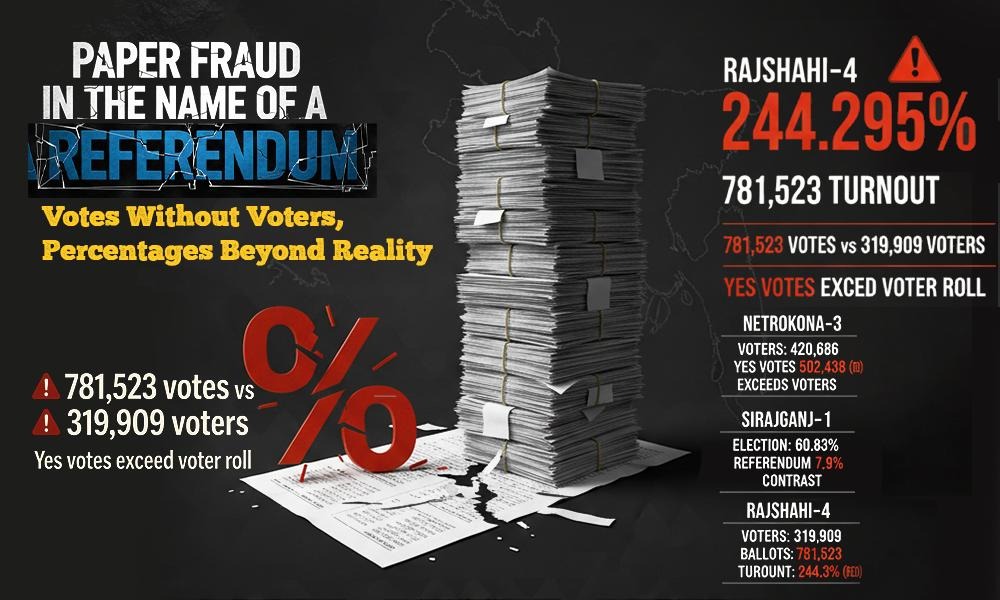
What has been presented as a referendum is being described by critics as a paper exercise designed to manufacture legitimacy under the patronage of the “illegal” Yunus government. They argue that no matter how figures are arranged, falsehood remains false. An analysis of the Election Commission’s declared results, they claim, reveals numbers in ...
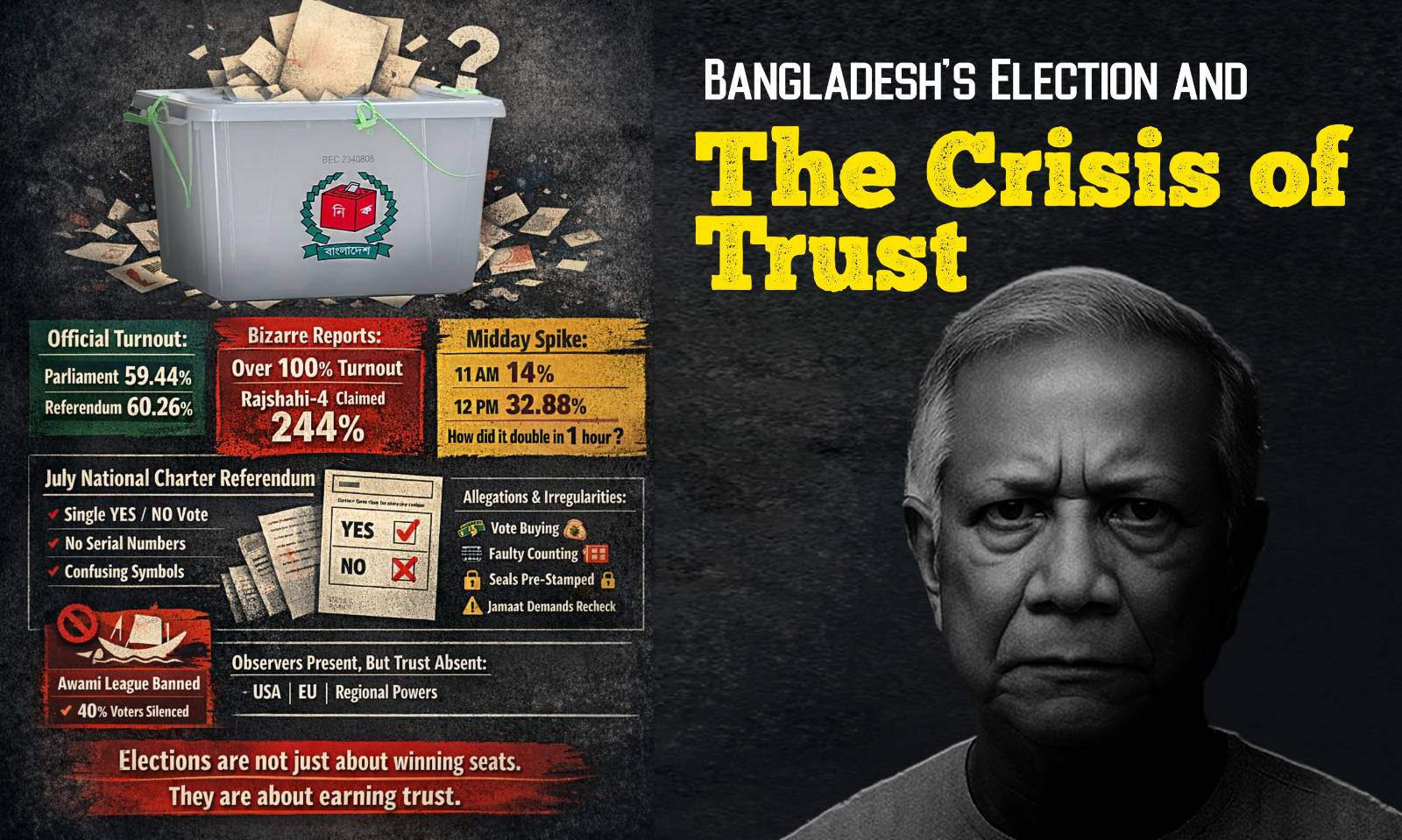
By all official accounts, Bangladesh’s national election on 12 February 2026 was historic yet controversial, held in ‘forced silence’ but described as ‘peaceful’ and festive. It was the first vote since the interim government took power eighteen months ago. The Bangladesh Nationalist Party (BNP) secured a commanding majority in the Jatiya Sangsa...
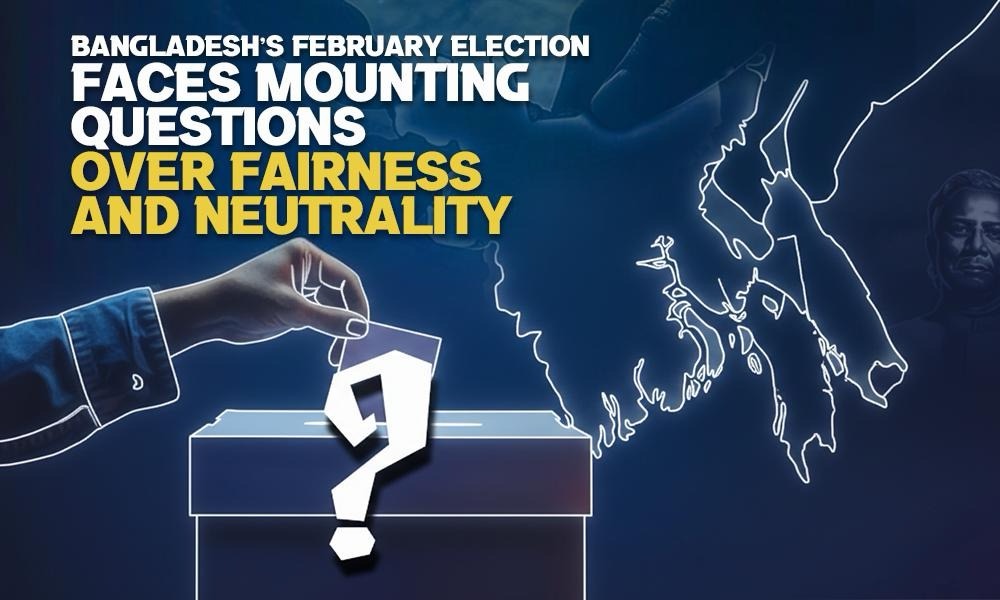
As Bangladesh heads to the February 12, 2026 election under Muhammad Yunus’s interim government, concerns grow over transparency, administrative neutrality, violence, postal voting risks, and whether the vote will truly reflect the people’s will.
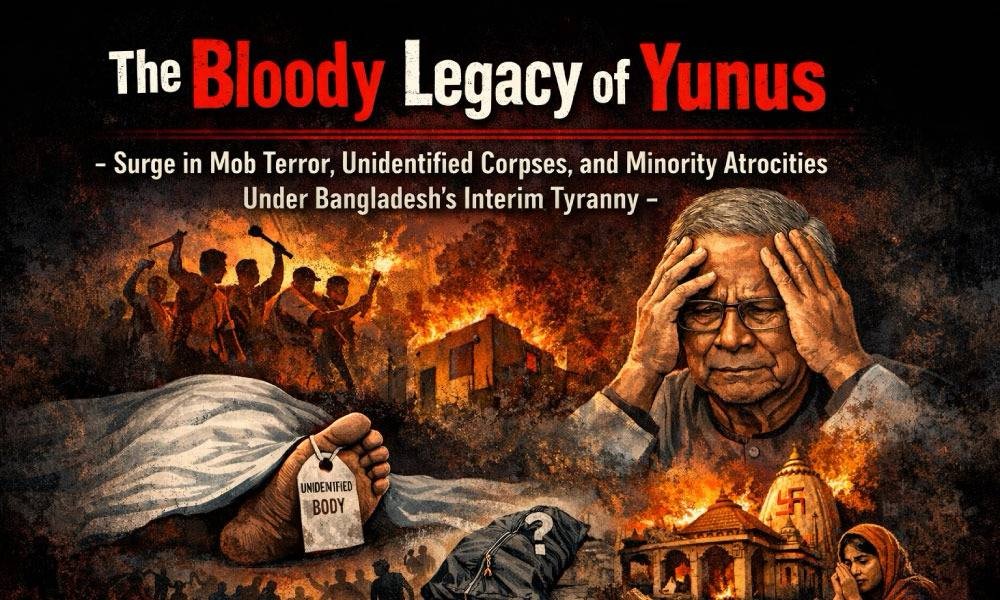
Under Muhammad Yunus’s interim rule, Bangladesh faces a surge in mob killings, unidentified bodies, and minority atrocities, exposing a grave collapse of law, security, and human rights.
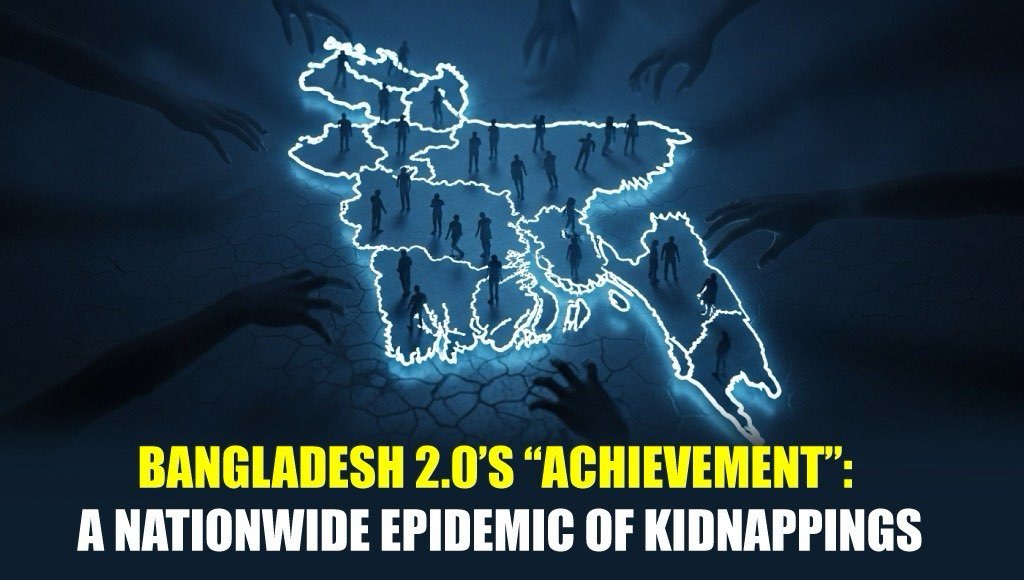
Kidnapping in Bangladesh has surged to over 1,000 cases in 2025. Discover how organized crime and a breakdown in law and order under the interim government are impacting public safety in Dhaka, Chattogram, and Teknaf. Read the latest crime statistics and analysis.
This work is copyrighted and authorized by the Bangladesh Awami League. You may download, display, print and re-produce this material in unaltered form only (retaining this notice)for your personal, non-commercial use or use within your organization.