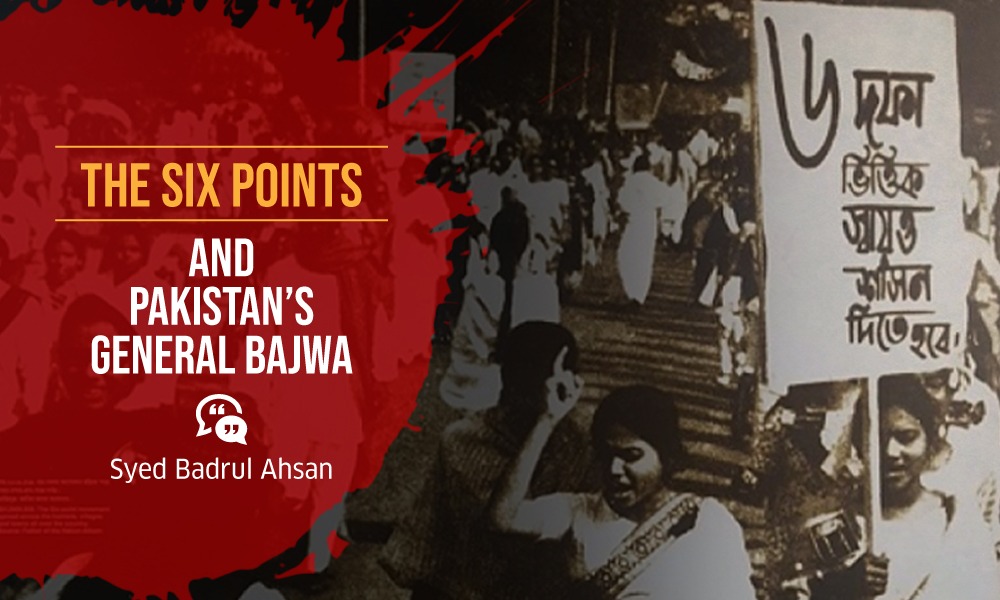
Syed Badrul Ahsan: Some rather interesting things have been happening in Pakistan. The country’s omnipresent and omniscient army has for the past couple of years been doing all it can to have the 18th amendment to Pakistan’s constitution repealed. There is a simple reason why General Qamar Pervez Bajwa, the current army chief, is un...

Pranab Kumar Panday: Recently, I was taken aback by following the news that portrayed the killing of a doctor after being brutally beaten by a patient's relatives in Khulna on the allegation that he committed a mistake while undertaking a surgery that caused patient's death. The doctor was suffering from serious brain haemorrhage and was admitt...
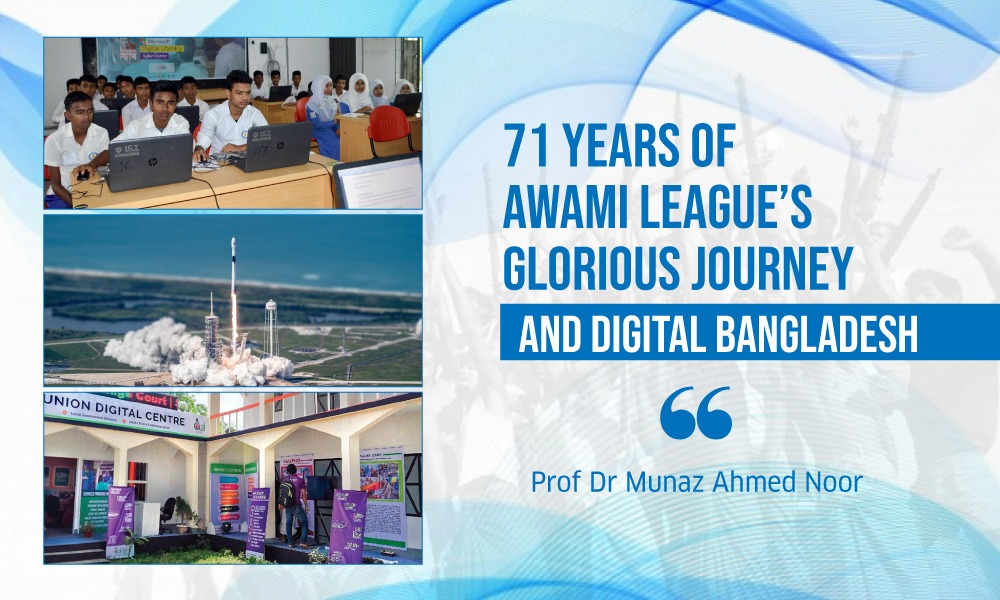
Prof. Dr. Munaz Ahmed Noor: 71 is a very significant number in the history of the nation’s glorious achievement and struggle. We got an independent and sovereign country in 1971 under the leadership of the Father of the Nation and the greatest Bengali of all time Bangabandhu Sheikh Mujibur Rahman. The victory in the nine-month-long ...
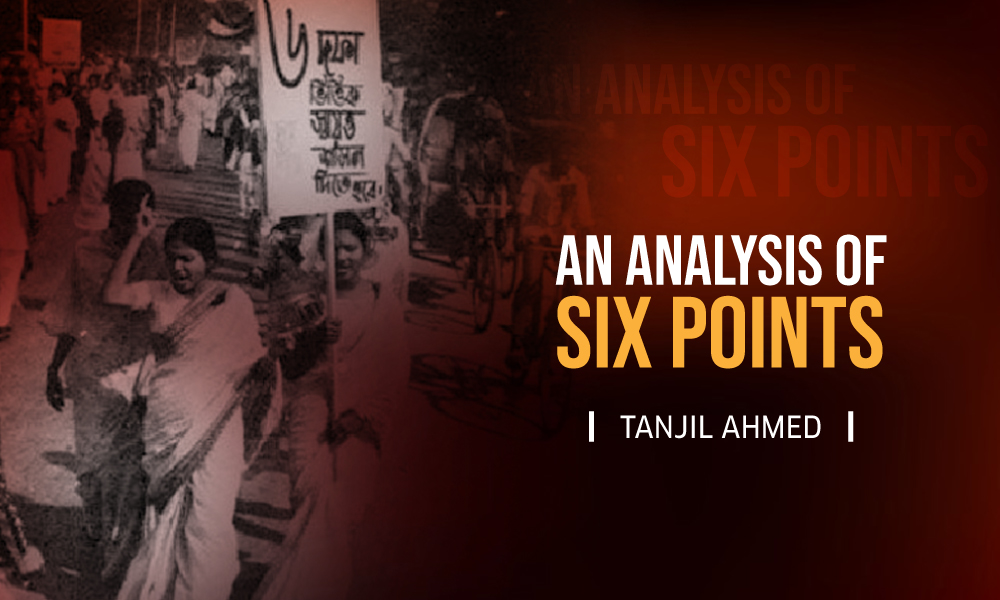
Tanjil Ahmed The Bengalis were not liberated even after 190 years of British rule (1757-1947) and exploitation after the death of Sirajuddaula, the last independent Nawab of Bengal. In 1947, after the emergence of Pakistan, a new chapter of exploitation, torture, and oppression began on us. Pakistan continues the oppression, exploitation, and i...

Sharifuzzaman: It was Zulfiqar Ali Bhutto who alluded in his book 'The Great Tragedy' that Sheikh Mujibur Rahman's six point movement was a veiled secessionist agenda not supported by the people of East Pakistan. The subsequent events that included mass demonstrations, historic political gatherings and a glorious freedom war proved that Bhutto ...


This work is copyrighted and authorized by the Bangladesh Awami League. You may download, display, print and re-produce this material in unaltered form only (retaining this notice)for your personal, non-commercial use or use within your organization.