2306
Published on March 7, 2026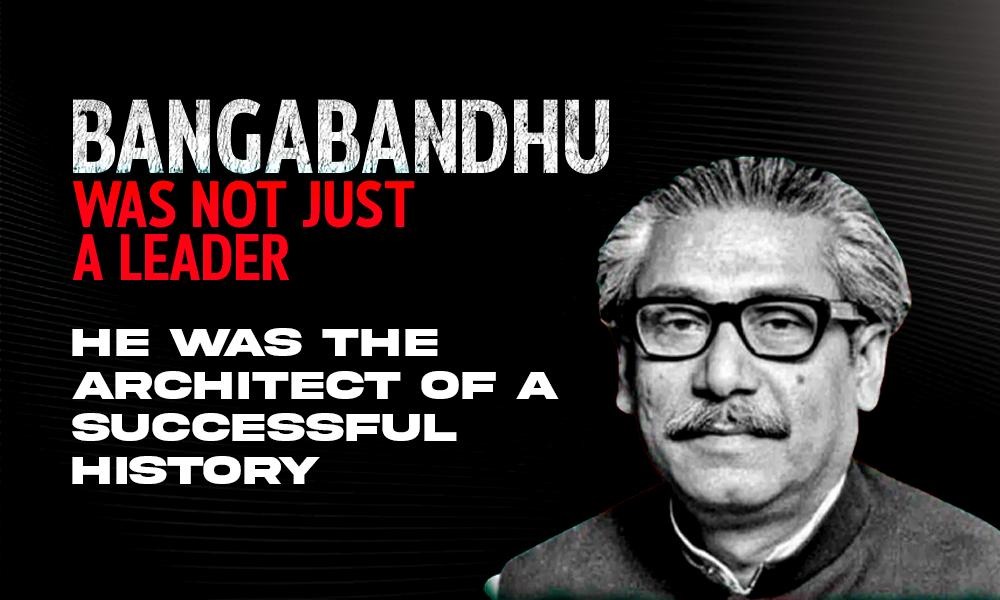
Throughout world history, there have been many wars of independence.
In some places they emerged through revolutions, in others through civil wars, and elsewhere through long and bloody conflicts. But the story of the Bengali people’s independence is different.
This war did not begin suddenly. Behind it lay the long-term vision of a leader, a carefully planned step-by-step strategy, and an extraordinary ability to prepare an entire nation psychologically for freedom.
That leader was Sheikh Mujibur Rahman, widely known as Bangabandhu.
He understood that a nation does not achieve independence overnight. The first task is to awaken a people’s sense of identity. That is why he began with the struggle for language rights, gradually transforming that consciousness into a movement for autonomy.
In 1966 he announced the historic Six-Point Movement, which effectively served as the blueprint for an independent Bangladesh.
Then came the 1970 Pakistani general election.
The Bengali people gave him overwhelming support. That victory was not merely the result of an election—it was a powerful expression of national unity.
By March 1971, the country was effectively running under his direction. Every instruction, every movement, and every programme formed part of a broader strategy.
Then came the historic moment.
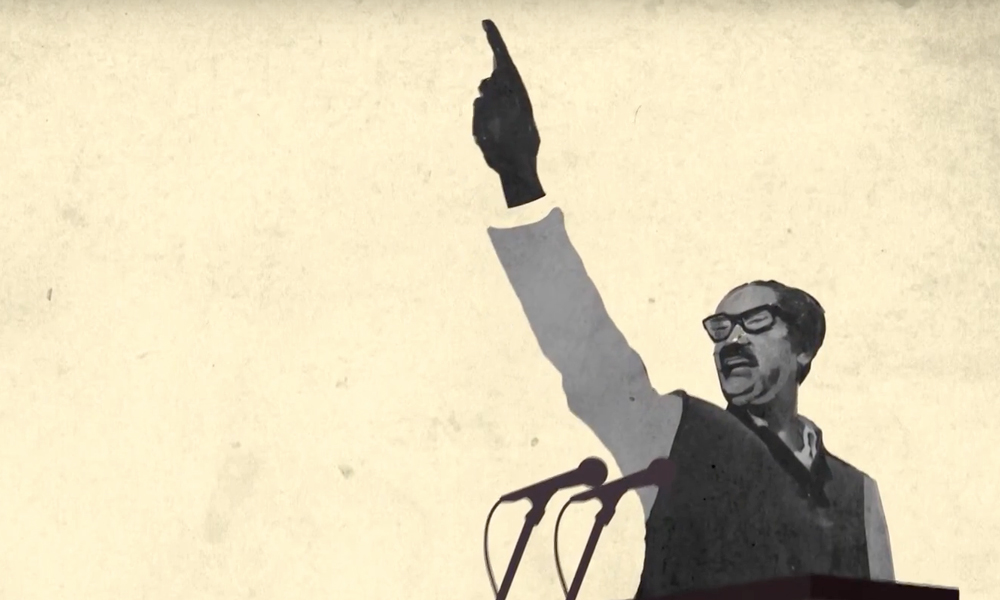
On 7 March Speech of Sheikh Mujibur Rahman, Bangabandhu, with his thunderous voice, delivered the immortal words:
“This time the struggle is for our freedom. This time the struggle is for our independence.”
It was a single speech, yet within it were the instructions for resistance, strategic guidance, courage, and a vision for the future. After that speech, nearly 75 million Bengalis seemed to stand together as one.
Finally, when the massacre began on Operation Searchlight on 25 March, Bangabandhu declared independence. The Bangladesh Liberation War began.
History has seen many leaders wage wars and many revolutions take place. But only a few leaders have managed to prepare an entire nation step by step, secure a democratic mandate, unite their people, and ultimately lead them to independence.
Bangabandhu was not just a leader—he was the architect of a successful history.
And that is why whenever the story of Bengali independence is told, history ultimately arrives at one name:
Sheikh Mujibur Rahman.








This work is copyrighted and authorized by the Bangladesh Awami League. You may download, display, print and re-produce this material in unaltered form only (retaining this notice)for your personal, non-commercial use or use within your organization.
