1866
Published on March 10, 2026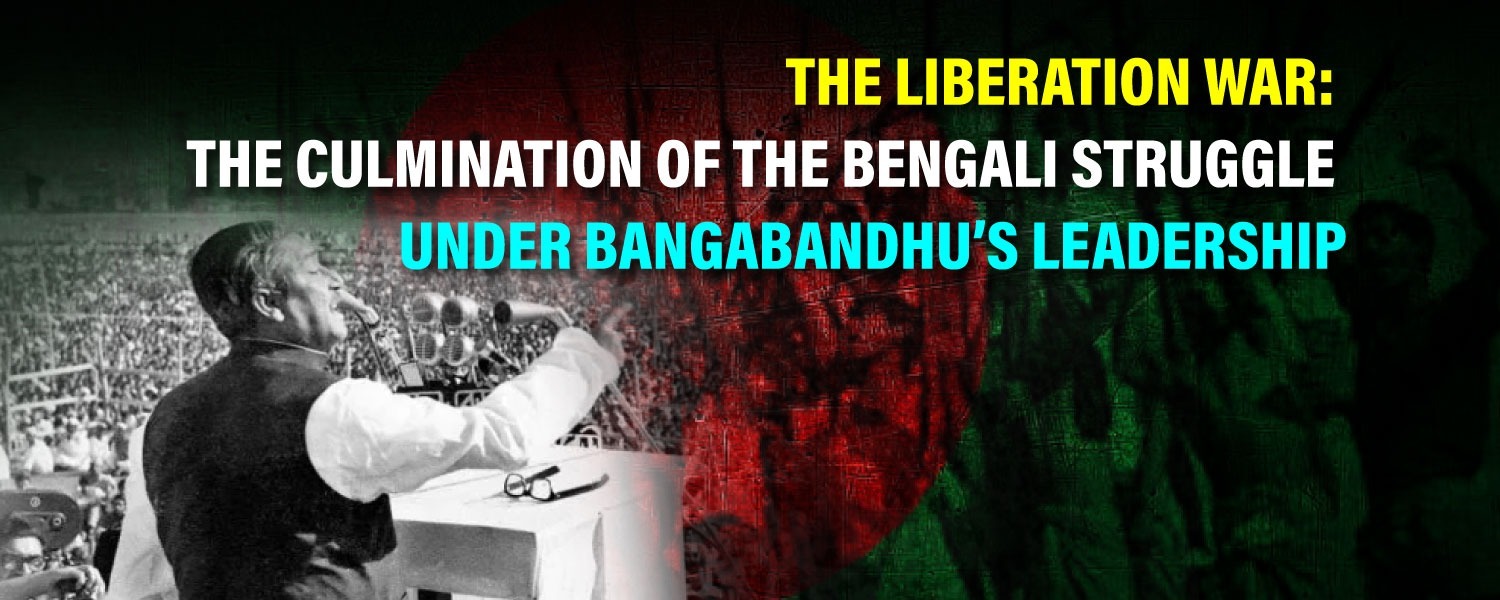
The world, at the time, was gripped by upheaval. Across continents, movements for freedom and self-determination were unfolding. Communist revolutions were reshaping political landscapes in some regions, while separatist conflicts erupted in others as peoples fought for independence.
Yet the struggle of the Bengali nation was markedly different.
Unlike many armed uprisings of the era, Bangladesh’s journey toward independence unfolded through a largely constitutional and democratic process. In the landmark national elections of 1970 in Pakistan, the political party representing the Bengali majority secured an absolute majority in the national assembly. The liberation movement that followed was backed by the elected representatives of the people and driven by the overwhelming will of the Bengali population.
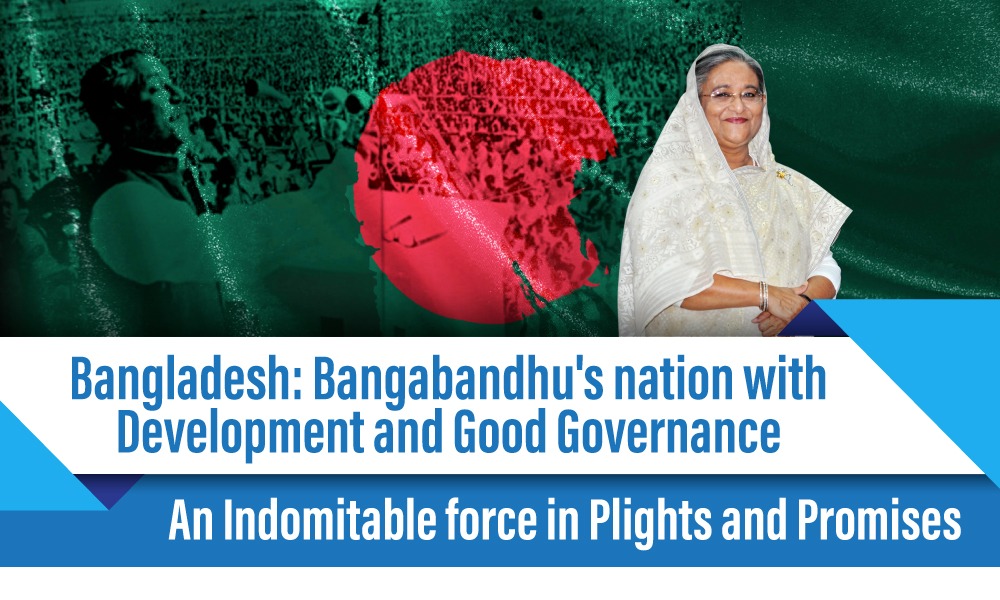
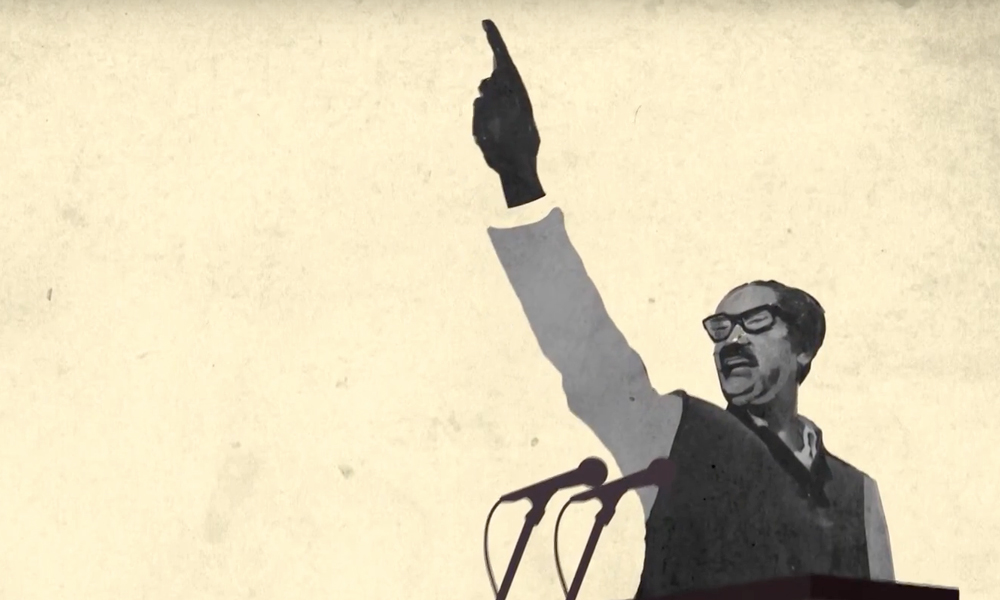
At the centre of this historic movement stood Sheikh Mujibur Rahman — later revered as Bangabandhu, or “Friend of Bengal.”
With remarkable foresight, he first led the struggle to secure the right of Bengalis to speak their mother tongue. Over time, that struggle evolved into a broader political movement demanding autonomy. After more than a decade of preparing the nation politically and intellectually, he unveiled the historic Six-Point Programme — widely described as the “charter of survival” for the Bengali people.
Under his leadership, mass participation in the political process steadily intensified. Despite repeated conspiracies, legal battles, imprisonment and repression by the ruling establishment of Pakistan and its local allies, Sheikh Mujibur Rahman’s party achieved a sweeping electoral victory.
In early 1971, the democratic movement gained unstoppable momentum. Nearly seventy million Bengalis became united in a single cause. By early March, effective control over the country’s political direction had shifted to Bangabandhu, who issued daily directives guiding the nation and preparing its people for a possible armed struggle.
Then came the turning point.
On the night of 25 March 1971, the Pakistani military launched a brutal crackdown on the sleeping population of East Pakistan — an operation that would later be remembered as one of the darkest moments in the region’s history. In response, the declaration of Bangladesh’s independence followed, marking the beginning of the armed struggle for liberation.
From that moment onward, the Bengali people broke the chains of domination and embarked on a war that would ultimately give birth to a new nation — Bangladesh.
The Liberation War thus became the culmination of decades of political struggle, a defining chapter that would establish the Bengalis on the world stage as a nation forged through sacrifice and resilience.






This work is copyrighted and authorized by the Bangladesh Awami League. You may download, display, print and re-produce this material in unaltered form only (retaining this notice)for your personal, non-commercial use or use within your organization.
