16734
Published on June 23, 2026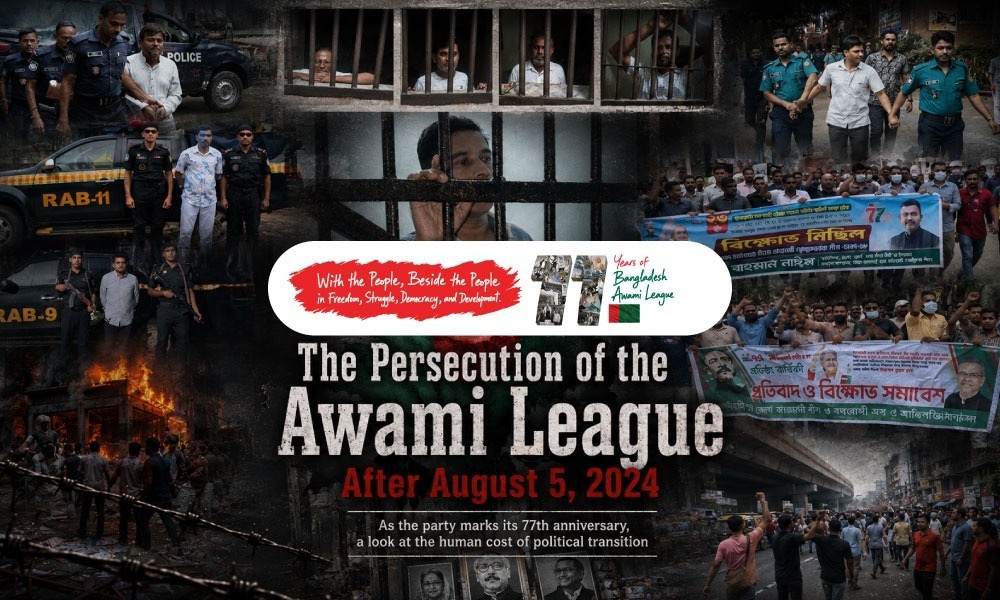
On June 23, 2026, the Bangladesh Awami League, the party that led the nation to independence in 1971 and shaped its modern foundations, turns 77. Yet there will be no grand celebrations, no open rallies, no unfettered reflection on its legacy of resilience. Instead, its leaders and activists mark the occasion from hiding, exile, prison cells, or graves. What began as a political transition after August 5, 2024, has metastasized into a systematic campaign of persecution that shames any claim to democratic restoration.
This is not accountability. It is vengeance dressed in the language of justice, orchestrated first by an unelected interim government under Muhammad Yunus and now perpetuated under a BNP-influenced dispensation. A major political party, one with deep roots across the country, has been banned, its supporters hunted, and its members subjected to the very abuses the “revolution” purported to end. Prisons have become death traps, streets scenes of mob fury, and courts instruments of selective retribution.
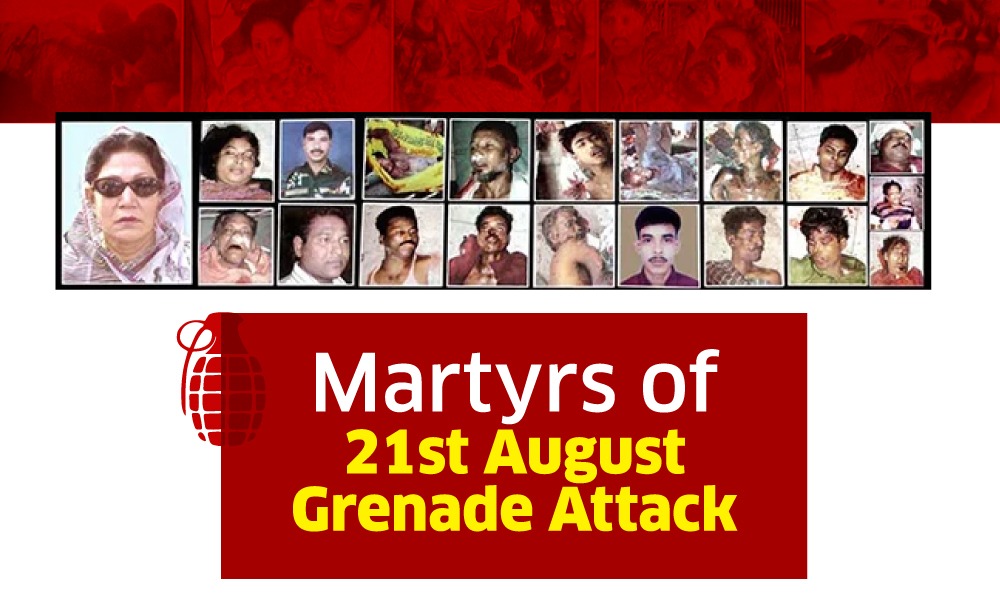
The numbers are staggering and blood-chilling. Between August 2024 and late 2025, reports document at least 300+ Awami League leaders, activists, and supporters killed through mob lynchings, extra-judicial executions, and custodial deaths. In the immediate aftermath of August 5, Prothom Alo reported 87 AL members and affiliates killed in just days amid widespread revenge attacks. Homes were torched, businesses looted, and families terrorized. One incident in Jessore saw a hotel owned by an AL MP attacked, with dozens reportedly killed or burned. Factories linked to party supporters were set ablaze.
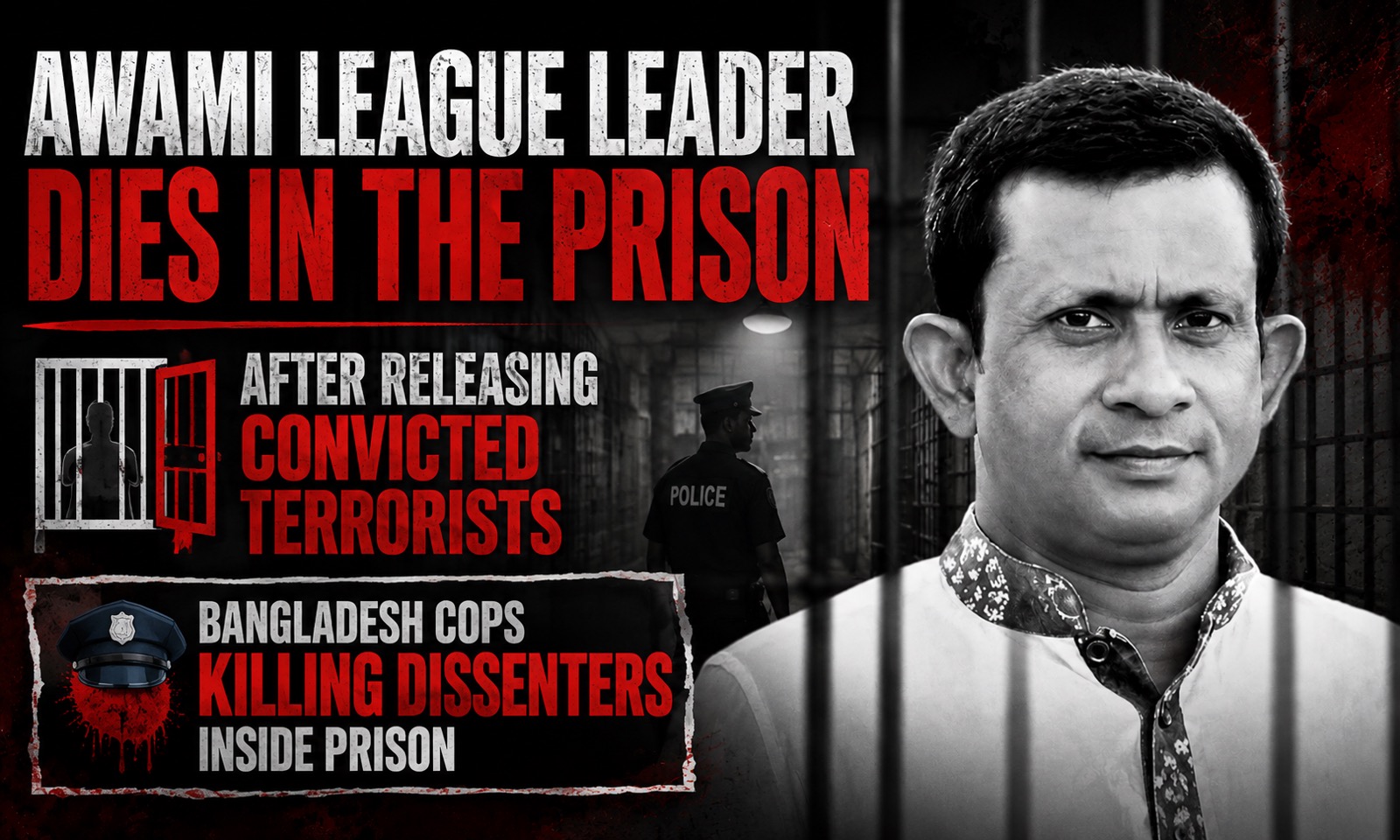
The horror did not stop there. Custodial deaths tell an even darker tale of calculated elimination. Rights groups and AL sources report between 50 and 60 leaders and activists dead in police and prison custody since the change in government, with figures climbing higher in independent tallies. Ain o Salish Kendra (ASK) and others recorded over 112 custody deaths in 15 months up to December 2025, with 95 in the first 11 months of 2025 alone. In early 2026, the Human Rights Support Society (HRSS) documented 39 deaths in custody in just the first three months, including at least 12 AL affiliates. Senior figures like former Water Resources Minister Ramesh Chandra Sen died in Dinajpur jail in February 2026 after falling ill, with family alleging medical negligence. Proloy Chaki, a district AL cultural secretary, met a similar fate.
Families speak of bodies returned bearing torture marks, bruises, fractures, signs of unimaginable suffering, only for authorities to dismiss them as “natural causes” or pre-existing conditions. In Bogura jail, multiple AL leaders died in late 2024. By May 2025, the party was calling for independent probes into at least 24 such deaths. These are not anomalies; they form a pattern. Prisons, once symbols of state protection, have been weaponized into sites of slow, deniable murder.
Arbitrary arrests compound the terror. Police data shows over 44,000 arrests linked to “fascism” cases from August 2024 onward, with mass filings naming tens of thousands, often unnamed or loosely affiliated. “Operation Devil Hunt” swept up thousands more, many AL supporters. The party was formally banned in May 2025, its activities criminalized under anti-terror laws. Former ministers, MPs, local leaders, even singers and actors with distant ties, rot in jails, routinely denied bail while facing stacked murder cases from the July uprising, cases that smear guilt by association.
Enforced disappearances, once a hallmark of the previous era, have reemerged in new forms. Activists vanish during raids; families search desperately, only to learn of deaths weeks later. Mob violence, fueled by BNP elements and student groups, continues unchecked. Reports detail beatings, stabbings, and burnings targeting AL homes and offices. Hindu communities, often seen as AL-leaning, faced parallel onslaughts, with temples vandalized and properties seized.
These stories sear the conscience. Imagine a mother receiving her son’s tortured body from jail, officials shrugging it off as “illness.” Picture elderly leaders, veterans of the independence struggle, dragged from homes and denied medicine until death claims them. Envision grassroots activists, teachers, small businessmen, students, lynched by crowds whipped into frenzy by partisan hate. One after another, lives extinguished not for proven crimes, but for loyalty to a party that dared to govern.
How did this happen in a nation that rose against autocracy, demanding democracy? The interim government and its successors promised reform but delivered selective justice. By framing every AL member as complicit in past abuses, real as some were, they justified collective punishment. The ban on the party, mass cases without robust evidence, and denial of fair trials expose the hypocrisy. A “democratic state” that outlaws its oldest, most organized opposition party is no democracy at all. It is majoritarianism by other means, where victors rewrite rules to eliminate rivals.
The struggle of Awami League leaders and activists is not merely partisan; it is a test of Bangladesh’s democratic soul. If a founding party can be hunted into oblivion, what hope remains for ordinary citizens? The blood on Bangladesh’s prisons and streets cries out for justice, not more vengeance. History will judge those who turned victory into tyranny.




This work is copyrighted and authorized by the Bangladesh Awami League. You may download, display, print and re-produce this material in unaltered form only (retaining this notice)for your personal, non-commercial use or use within your organization.
